
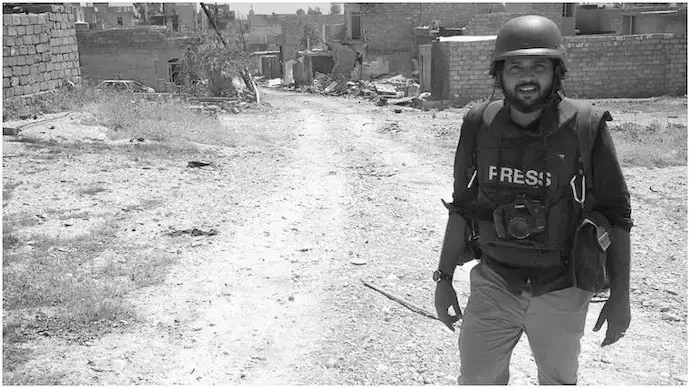
Danish Siddiqui
Journalism
Awards
Honoring impactful journalism with integrity, courage, empathy and truth.
● Nominations currently closed
Honoring Impactful Journalism
The Danish Siddiqui Journalism Awards recognise journalists whose work reflects integrity, courage, empathy, and a commitment to truth.
Award Categories & Special Distinction
We celebrate excellence across formats of journalism, and honour an outstanding journalist whose body of work exemplifies courage, integrity and lasting impact.
Excellence in in-depth reporting, investigation and storytelling in print journalism.
Excellence in digital-first storytelling across websites, multimedia and online platforms.
Excellence in audio-visual journalism across television and video platforms.
Excellence in capturing stories through powerful, ethical and impactful images.
Distinguished Guests 2026
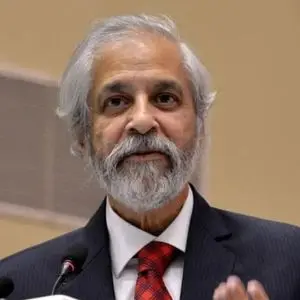
Justice (Retd.) Madan B. Lokur
Former Judge
Supreme Court of India
Justice (Retd.) Madan B. Lokur is a former Judge of the Supreme Court of India and one of the country's most respected jurists. During…
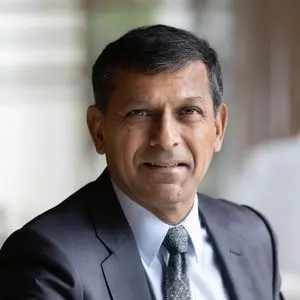
Dr. Raghuram Rajan
Former Governor
Reserve Bank of India
Dr. Raghuram Rajan is an eminent economist, academic, and former Governor of the Reserve Bank of India. Widely regarded as one of the world's…
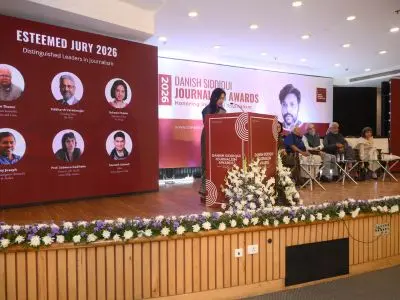
Meet The Jury
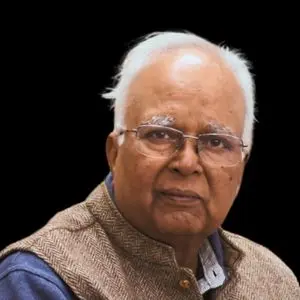
Om Thanvi
Veteran Journalist, Writer & Critic
Independent
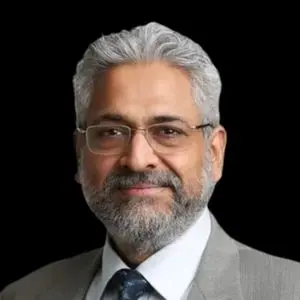
Siddharth Varadarajan
Founding Editor
The Wire
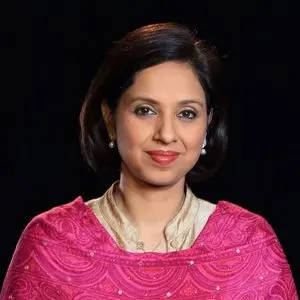
Suhasini Haidar
Diplomatic Affairs Editor
The Hindu
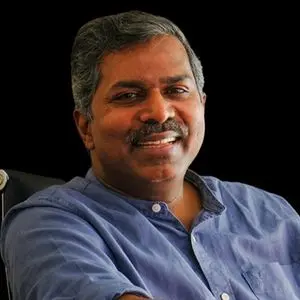
Josy Joseph
Sr. Journalist & Author
Confluence Media
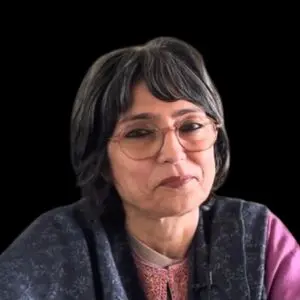
Prof. Sabeena Gadihoke
Director, AJK MCRC
Jamia Millia Islamia
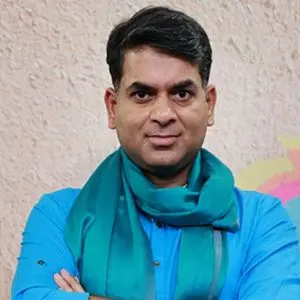
Saurabh Dwivedi
Editor
Indian Express Hindi
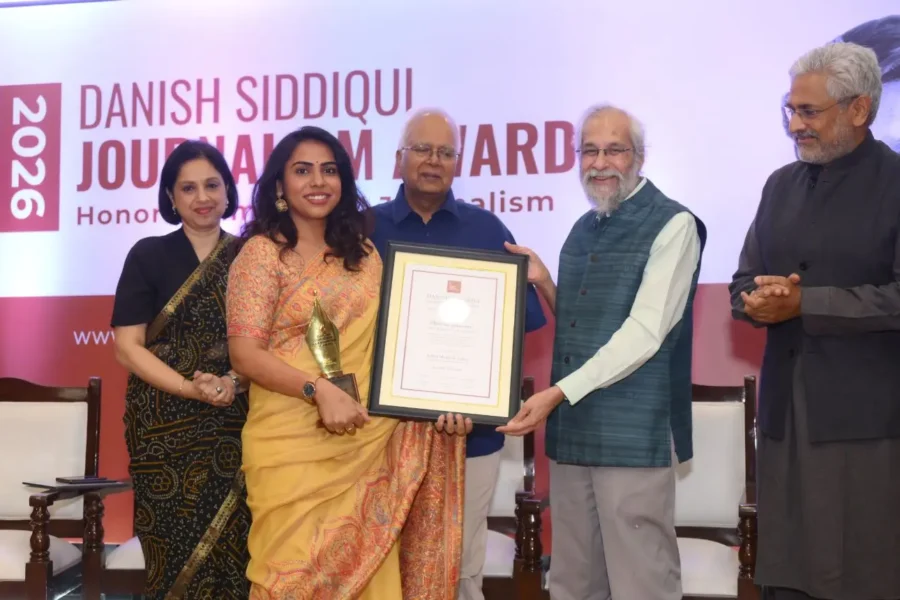
2026 Winners
Honouring journalists whose work reflects integrity, courage, empathy, and a commitment to truth.

Aiswarya Raj
The Indian Express
“Ramdev aide Balkrishna gets showpiece Uttarakhand tourism project, for which 3 firms bid —…”
View Profile →
Dheeraj Mishra
The Indian Express
“Ramdev aide Balkrishna gets showpiece Uttarakhand tourism project, for which 3 firms bid —…”
View Profile →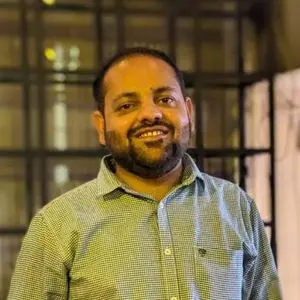
Abhinav Goel
BBC News
“Kumbh Stampede: Government reports 37 deaths, BBC investigation confirms at least 82 deaths”
View Profile →
Zishaan A Latif
The Washington Post *
“In India’s deportation drive, Muslim men recount being tossed into the sea”
View Profile →
Apoorva Mandhani
The Print
“All in the Family”
View Profile →
Aparna Ganesan
The Migration Story
“Beneath The Panel: The Hidden Losses of India’s Solar Parks”
View Profile →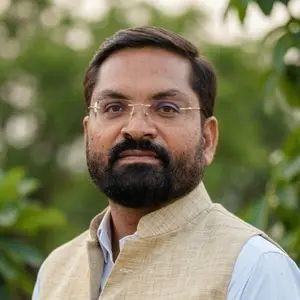
Avadhesh Akodia
Dainik Bhaskar
“माननीय ही कर रहे हैं विधायक निधि में भ्रष्टाचार”
View Profile →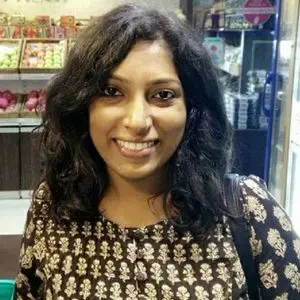
Sukanya Shantha
The Wire
“The Forced Guilt Project”
View Profile →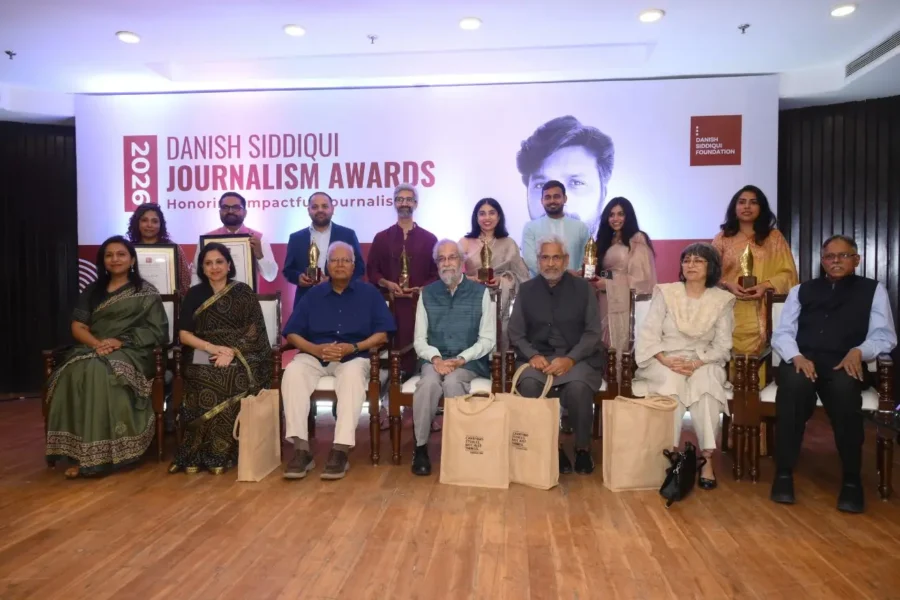
Submission Guidelines
Everything you need before submitting for 2026.
- Open to Journalists: The Award is open to professional journalists, photojournalists, and video journalists working in print, photojournalism, digital, and broadcast.
- Geographical Scope: Submissions are accepted from journalists working in India, including foreign correspondents.
- Work Published Date: Eligible works must have been published, broadcast, or publicly disseminated during the calendar year immediately preceding the award year.
- Original Work: All submitted works must be original and created by the entrant(s). Works plagiarized or found to be significantly derivative will be disqualified.
- Number of Entries: Each journalist can submit a maximum of two entries across all categories.
- Print Journalism:
- To be submitted in PDF format.
- If a URL is available, that can be provided also.
- Photojournalism:
- Submit up to 5 high-resolution images (JPEG format, minimum 300 DPI).
- Each image must be captioned with a description, date, and location.
- Include a brief narrative (up to 300 words) explaining the context of the photos.
- Video Journalism:
- Submit a URL link to the video hosted on a public platform or via a secure download link.
- A brief synopsis (up to 300 words) must accompany the video entry.
- Digital Storytelling:
- Include URLs for multimedia pieces published online, such as interactive graphics, web documentaries, or podcasts.
- Provide a brief overview (up to 300 words).
- Complete the Online Submission Form: All entries must be submitted through the official Danish Siddiqui Journalism Award website. Fill out the submission form with required details, including personal information, a brief biography, and a high-resolution profile photo.
- Attach Required Files and Links: Upload or provide links to the work being submitted as per the format guidelines above.
- Include Supporting Documents:
- A brief statement (up to 250 words) describing the motivation behind the work and its impact.
- Self-declaration that the work was produced by the entrant(s) and that all ethical standards were upheld.
- Submit by Deadline: Late entries will not be accepted under any circumstances.
- Relevance and Impact: Work that contributes significantly to public understanding of important issues and has the potential to drive awareness, inspire action, or bring about meaningful change.
- Originality and Innovation: Creative storytelling approaches — fresh perspectives, unique angles, or innovative use of media.
- Research and Depth: Thorough investigation and in-depth analysis, providing context and insight into the subject matter.
- Ethical Standards: Adherence to the highest standards of journalistic ethics — fair, objective, and respectful of journalistic integrity.
- Presentation: Clear, cohesive, and effective communication of the story through writing, visual elements, or multimedia formats.
The Danish Siddiqui Journalism Award follows a strict conflict-of-interest policy to ensure fairness and independence.
- Jury members are not permitted to recommend or nominate entries.
- Only submissions received through the official application process are considered.
- In the event of any overlap between a jury member and an applicant organisation, the concerned jury member is recused from evaluating that entry and no details of such submissions are shared with them.
- All entries are assessed against clearly defined criteria through a multi-stage evaluation process involving multiple reviewers.
These safeguards are integral to maintaining the credibility and integrity of the Award.
- Verification of Information: The Foundation reserves the right to verify the authenticity of submitted works and supporting documents.
- Publication Rights: The Foundation reserves the right to use submitted materials for promotional purposes, with due credit given to the authors.
- Disclosure: Entries from previous winners in the same category within the last three years are not eligible. Works recognised in other significant awards may require disclosure during submission.
- Withdrawal: Entries can be withdrawn any time before the submission deadline by sending a mail to the Foundation. No withdrawals will be accepted after the deadline.
The Selection Process
Nominations Open
Open call via official form
Screening
Entries checked for eligibility
Jury Review
Independent jury evaluates shortlist
Final Selection
Consensus decision, binding
Ceremony
Winners announced publicly
Nominate a Journalist Who Deserves Recognition.
Nominations currently closed